

Unlocking Relaxation: The Power of Anti-Stress Biostimulants
Release Time :
2025-06-10
Unlocking Relaxation: The Power of Anti-Stress Biostimulants Table of Contents What Are Biostimulants? Understanding Stress and Its Effects on the Body The Role of Biostimulants in Stress Relief Types of Anti-Stress Biostimulants How Biostimulants Work to Alleviate Stress Application of Anti-Stress Biostimulants in Daily Life Potential Side Effects and Considerations
Unlocking Relaxation: The Power of Anti-Stress Biostimulants
Table of Contents
- What Are Biostimulants?
- Understanding Stress and Its Effects on the Body
- The Role of Biostimulants in Stress Relief
- Types of Anti-Stress Biostimulants
- How Biostimulants Work to Alleviate Stress
- Application of Anti-Stress Biostimulants in Daily Life
- Potential Side Effects and Considerations
- The Future of Biostimulants in Mental Health
- Frequently Asked Questions
What Are Biostimulants?
Biostimulants are natural or synthetic substances that enhance plant growth, development, and stress tolerance. In the context of human health, biostimulants have emerged as a promising approach for managing stress. They work by modulating physiological responses, thereby promoting relaxation and overall well-being. These compounds often include amino acids, organic acids, and beneficial microorganisms that synergistically interact with biological systems.
Understanding Stress and Its Effects on the Body
Stress is a natural response to challenges and demands in our daily lives. While a certain level of stress can be beneficial, chronic stress can lead to a range of health issues, including anxiety, depression, and cardiovascular problems. Understanding how stress affects the body is crucial for finding effective solutions. When under stress, the body releases hormones like cortisol and adrenaline, triggering a ‘fight or flight’ response. This reaction can lead to heightened alertness, increased heart rate, and muscle tension, which, if prolonged, can adversely affect physical health.
The Role of Biostimulants in Stress Relief
Anti-stress biostimulants play a vital role in mitigating the effects of stress by promoting relaxation through various mechanisms. They can enhance neurotransmitter activity, improve hormonal balance, and support the body’s natural stress response systems. Incorporating biostimulants into health regimens can significantly reduce perceived stress levels, enhance mood, and improve cognitive function.
Types of Anti-Stress Biostimulants
Several types of anti-stress biostimulants have demonstrated efficacy in promoting relaxation. These include:
- Amino Acids: Compounds like L-theanine and tryptophan are known for their calming effects. L-theanine, found in green tea, enhances serotonin and dopamine levels, contributing to a relaxed state.
- Herbal Extracts: Adaptogenic herbs such as ashwagandha and rhodiola are renowned for their ability to help the body adapt to stress and reduce fatigue.
- Probiotics: Emerging research suggests that gut health is closely linked to mental well-being. Probiotics can help balance gut microbiota, which plays a role in mood regulation.
- Essential Oils: Aromatherapy using essential oils like lavender and chamomile can evoke relaxation responses, helping to alleviate stress.
How Biostimulants Work to Alleviate Stress
The efficacy of anti-stress biostimulants is largely attributed to their ability to influence neurotransmitters and hormones associated with stress. For instance:
- Neurotransmitter Modulation: Biostimulants can enhance the levels of serotonin and dopamine, neurotransmitters responsible for mood regulation and relaxation.
- Hormonal Balance: By regulating cortisol levels, biostimulants help to mitigate the negative effects of chronic stress on the body.
- Inflammatory Response: Some biostimulants may possess anti-inflammatory properties that can reduce the physical symptoms of stress.
Application of Anti-Stress Biostimulants in Daily Life
Integrating anti-stress biostimulants into daily routines can be simple and effective. Here are some practical applications:
- Dietary Supplements: Consider incorporating supplements containing amino acids, herbal extracts, or probiotics into your diet.
- Aromatherapy: Use essential oils in diffusers, baths, or topical applications to create a calming environment.
- Mindfulness Practices: Combine biostimulants with mindfulness techniques, such as meditation or yoga, to enhance their effectiveness.
Potential Side Effects and Considerations
While anti-stress biostimulants are generally considered safe, potential side effects may occur, particularly if taken in excess or in combination with certain medications. It is essential to consult with a healthcare professional before starting any new supplement regimen. Common considerations include:
- Allergic Reactions: Some individuals may experience allergic reactions to specific herbal extracts or compounds.
- Interactions with Medications: Biostimulants may interact with medications prescribed for anxiety or depression.
- Dosage Recommendations: Adhering to recommended dosages is crucial to minimize the risk of side effects.
The Future of Biostimulants in Mental Health
As research continues to evolve, the future of anti-stress biostimulants in mental health looks promising. Advances in biochemistry may lead to the development of more targeted biostimulant formulations designed to address specific stress-related conditions. Furthermore, increased public awareness of mental health issues is likely to drive demand for natural and effective stress-relief solutions.
Frequently Asked Questions
1. What are the most effective anti-stress biostimulants?
Effective anti-stress biostimulants include amino acids like L-theanine, herbal extracts such as ashwagandha and rhodiola, as well as probiotics and essential oils.
2. How long does it take for biostimulants to show effects?
The effects of biostimulants can vary from person to person, but many individuals report noticeable improvements within a few days to a few weeks of consistent use.
3. Are there any side effects associated with anti-stress biostimulants?
While generally safe, some individuals may experience mild side effects such as digestive upset or allergic reactions. Consulting with a healthcare professional is advised.
4. Can biostimulants replace traditional stress management techniques?
Biostimulants can complement traditional stress management techniques but should not be considered a complete replacement. A holistic approach is often most effective.
5. How can I incorporate anti-stress biostimulants into my daily routine?
Incorporate biostimulants through dietary supplements, aromatherapy, or by combining them with mindfulness practices to enhance relaxation and reduce stress.
Conclusion
Anti-stress biostimulants represent a promising frontier in wellness and relaxation, offering natural solutions to combat the pervasive effects of stress in our lives. By understanding their mechanisms, applications, and potential benefits, we can harness their power to promote mental well-being and enhance our overall quality of life. As we continue to explore the capabilities of biostimulants, the future holds great potential for innovative approaches to managing stress and supporting mental health.
RELATED NEWS
Unlocking the Potential of Plant Extract Biostimulants: A Game Changer in Sustainable Agriculture
Plant extract biostimulants are an innovative solution in the realm of sustainable agriculture, designed to improve plant growth, resilience, and productivity. Derived from various plant sources, these biostimulants harness the natural compounds found in plants to stimulate physiological processes in crops. This article provides an overview of their benefits and applications, emphasizing their sig
2026-09-01
Investigating the Synergy Between Hormonal Biostimulants and Microbes Table of Contents Introduction to Hormonal Biostimulants and Microbes Understanding Hormonal Biostimulants The Role of Microbes in Agriculture How Hormonal Biostimulants and Microbes Interact Benefits of the Synergy Between Biostimulants and Microbes Applications in Sustainable Farming Practices Recent Research an
2026-08-30
Unlocking the Power of Enzyme Biostimulants in Modern Biochemistry
Enzyme biostimulants represent a fascinating intersection of biochemistry and agriculture, playing a pivotal role in enhancing crop growth and resilience. These biostimulants are naturally derived substances that contain various enzymes, which assist in stimulating plant physiological processes. The primary function of enzyme biostimulants is to enhance nutrient uptake, improve soil health, and pr
2026-08-28
Unraveling Myths: Anti-Stress Biostimulants Demystified
Unraveling Myths: Anti-Stress Biostimulants Demystified Table of Contents What Are Biostimulants? The Science Behind Biostimulants Common Myths About Anti-Stress Biostimulants Benefits of Using Biostimulants in Agriculture Application Methods of Biostimulants Regulatory Aspects of Biostimulants The Future of Biostimulants in Agriculture Frequently Asked Questions What Are Biostim
2026-08-26
Unlocking the Potential of Peptide Biostimulants in Modern Agriculture
Peptide biostimulants are emerging as a revolutionary class of biochemicals that play a crucial role in modern agriculture. These small chains of amino acids, known as peptides, possess unique properties that can significantly enhance plant growth, improve stress resistance, and optimize nutrient uptake. As the agricultural sector continues to face challenges such as climate change, soil degradati
2026-08-24
Plant Extract Biostimulants: Enhancing Nutrient Uptake in Crops for Sustainable Agriculture
Introduction to Plant Extract Biostimulants In the evolving landscape of modern agriculture, the need for sustainable and efficient farming practices has never been more pressing. **Plant extract biostimulants** have emerged as a pivotal tool in enhancing crop productivity by improving nutrient uptake. This article explores how these biostimulants work, their benefits, and their role in sustainabl
2026-08-22
CONTACT US
Add : No. 1, Beitianmen Street, Tai'an Hi-tech Zone, Shandong Province


GET A FREE QUOTE
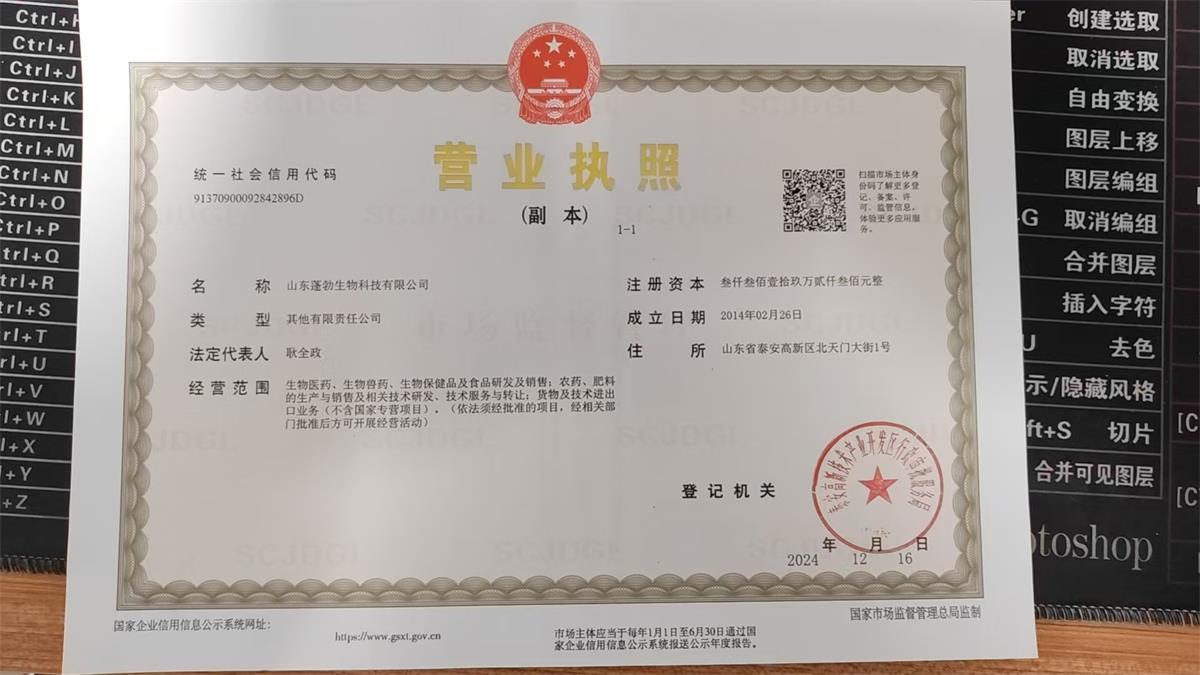
Copyright 2025 : Shandong Pengbo Biotechnology Co., Ltd. Powered by:CEglobal SEO BUSINESS LICENSE