


The Impact of Bio-Organic Inputs on Agricultural Productivity and Crop Yields
Release Time :
2025-11-11
The Impact of Bio-Organic Inputs on Agricultural Productivity and Crop Yields Agriculture is the backbone of food security and economic stability across the globe. In recent years, the spotlight has increasingly turned to **bio-organic inputs**, a category of fertilizers and soil amendments derived from natural sources. These inputs play a pivotal role in **enhancing crop yields** while promoting
The Impact of Bio-Organic Inputs on Agricultural Productivity and Crop Yields
Agriculture is the backbone of food security and economic stability across the globe. In recent years, the spotlight has increasingly turned to **bio-organic inputs**, a category of fertilizers and soil amendments derived from natural sources. These inputs play a pivotal role in **enhancing crop yields** while promoting sustainable farming practices. This article delves deep into the significance of bio-organic inputs, their advantages over traditional fertilizers, and their role in modern agriculture.
Table of Contents
- 1. Introduction to Bio-Organic Inputs
- 2. Benefits of Bio-Organic Inputs in Agriculture
- 3. Types of Bio-Organic Inputs
- 4. Application Methods for Bio-Organic Inputs
- 5. Case Studies Demonstrating Increased Crop Yields
- 6. Challenges in Implementing Bio-Organic Inputs
- 7. The Future of Bio-Organic Inputs in Agriculture
- 8. FAQs about Bio-Organic Inputs
- 9. Conclusion
1. Introduction to Bio-Organic Inputs
Bio-organic inputs refer to natural materials used to enhance soil fertility and crop growth. Unlike synthetic fertilizers that can lead to soil degradation and pollution, bio-organic inputs are derived from organic matter and microbial activity. They not only supply essential nutrients but also improve soil structure, promote beneficial microbial activity, and enhance water retention capacity.
This article will explore how bio-organic inputs contribute to higher crop yields while also addressing the environmental concerns associated with conventional agricultural practices.
2. Benefits of Bio-Organic Inputs in Agriculture
The integration of bio-organic inputs into agricultural systems presents numerous advantages, which can be categorized into several key areas.
2.1 Enhancing Soil Health
Soil health is critical for sustainable agriculture and high crop yields. Bio-organic inputs improve soil structure, increase organic matter content, and enhance microbial diversity. This leads to better nutrient availability and improved water retention, essential for healthy plant growth. Healthy soils are less susceptible to erosion and degradation, ensuring long-term agricultural productivity.
2.2 Boosting Crop Yields
Evidence shows that bio-organic inputs significantly increase crop yields. They provide essential nutrients like nitrogen, phosphorus, and potassium while promoting the uptake of these nutrients by plants. Studies have indicated that fields treated with bio-organic fertilizers can see yield increases of **20% to 50%** compared to those treated with conventional fertilizers.
2.3 Promoting Sustainability
Sustainable farming practices are vital for ensuring food security and environmental protection. By reducing reliance on chemical fertilizers and pesticides, bio-organic inputs contribute to lower greenhouse gas emissions and a smaller ecological footprint. Furthermore, they support biodiversity by enhancing soil ecosystems and promoting the growth of beneficial insects and microorganisms.
3. Types of Bio-Organic Inputs
Various types of bio-organic inputs are available for farmers, each with unique properties and benefits.
3.1 Compost
Compost is created through the decomposition of organic matter, such as food scraps and yard waste. It enriches soil with nutrients and beneficial microorganisms. Adding compost to fields not only improves soil fertility but also enhances moisture retention, reducing the need for frequent irrigation.
3.2 Vermicompost
Vermicompost is produced by earthworms consuming organic matter. This process results in a nutrient-rich organic fertilizer that is high in microbial life. Vermicompost is particularly effective in improving soil structure and increasing the availability of essential nutrients for crops.
3.3 Biofertilizers
Biofertilizers consist of living microorganisms that enhance soil fertility by fixing nitrogen and solubilizing phosphorus. They can be applied as seed treatments or soil amendments. By promoting plant growth and yield, biofertilizers are a cost-effective alternative to chemical fertilizers.
4. Application Methods for Bio-Organic Inputs
Successful implementation of bio-organic inputs requires proper application methods. Farmers can employ several techniques to maximize the effectiveness of these inputs.
1. **Soil Incorporation**: Mixing bio-organic inputs directly into the soil helps enhance nutrient availability and microbial activity.
2. **Top Dressing**: Applying organic fertilizers on the soil surface can provide a slow release of nutrients, promoting steady plant growth.
3. **Foliar Application**: Some biofertilizers can be applied directly to plant leaves for quick nutrient absorption.
Choosing the right application method depends on the type of bio-organic input, soil conditions, and specific crop requirements.
5. Case Studies Demonstrating Increased Crop Yields
Numerous case studies illustrate the effectiveness of bio-organic inputs in increasing crop yields across various agricultural settings.
1. **Rice Production in Asia**: In a study conducted in Bangladesh, the application of biofertilizers led to a remarkable increase in rice yields. Farmers reported yield increases of up to **30%** compared to traditional methods.
2. **Vegetable Farming in Africa**: A project in Kenya introduced composting techniques to smallholder farmers, resulting in improved vegetable yields and enhanced soil fertility. Participating farmers noted a yield increase of **25% to 40%**.
3. **Corn Cultivation in the U.S.**: Research in Iowa found that incorporating compost into corn fields improved yields by **15%** while reducing irrigation needs.
These case studies highlight the potential of bio-organic inputs to transform agricultural practices and improve food security.
6. Challenges in Implementing Bio-Organic Inputs
Despite their numerous benefits, several challenges hinder the widespread adoption of bio-organic inputs.
1. **Awareness and Education**: Many farmers lack knowledge about bio-organic inputs and their benefits. Educational programs and resources are essential for promoting understanding and adoption.
2. **Quality Control**: Variability in the quality of bio-organic inputs can affect their effectiveness. Establishing standards and regulations is crucial to ensure farmers receive high-quality products.
3. **Initial Costs**: While long-term savings can be significant, the initial investment in bio-organic inputs may be a barrier for some farmers. Financial assistance programs could help alleviate this challenge.
7. The Future of Bio-Organic Inputs in Agriculture
The future of bio-organic inputs looks promising as the agricultural industry increasingly embraces sustainable practices. Technological advancements, such as biostimulant developments and improved composting techniques, will enhance the efficacy of bio-organic inputs.
As global awareness of environmental issues rises, farmers are seeking eco-friendly alternatives to chemical fertilizers. Policymakers and agricultural organizations play a vital role in promoting research, education, and accessibility to bio-organic inputs, ensuring their integration into mainstream farming practices.
8. FAQs about Bio-Organic Inputs
**Q1: What are bio-organic inputs?**
A1: Bio-organic inputs are natural fertilizers and soil amendments derived from organic matter, designed to enhance soil health and crop yields.
**Q2: How do bio-organic inputs differ from chemical fertilizers?**
A2: Unlike chemical fertilizers, which provide nutrients quickly but can degrade soil health, bio-organic inputs improve soil structure and promote microbial activity over the long term.
**Q3: Can bio-organic inputs be used in all types of farming?**
A3: Yes, bio-organic inputs can be effectively used in various farming systems, including organic, conventional, and sustainable agriculture practices.
**Q4: Are there any downsides to using bio-organic inputs?**
A4: While generally beneficial, some challenges include variability in quality, initial costs, and the need for proper education among farmers.
**Q5: How can I incorporate bio-organic inputs into my farming practices?**
A5: Start by assessing soil health and nutrient needs, then select appropriate bio-organic inputs and application methods that suit your crop type and farming system.
9. Conclusion
The role of bio-organic inputs in enhancing crop yields is undeniable. By improving soil health, increasing productivity, and promoting sustainable practices, these inputs offer a viable solution to the challenges faced by modern agriculture. As we continue to prioritize sustainable farming methods, bio-organic inputs will play a crucial role in ensuring food security and environmental protection for generations to come. Embracing these innovative practices can lead to a more resilient agricultural landscape, ultimately benefiting both farmers and consumers alike.
RELATED NEWS
Unlocking the Potential of Plant Extract Biostimulants: A Game Changer in Sustainable Agriculture
Plant extract biostimulants are an innovative solution in the realm of sustainable agriculture, designed to improve plant growth, resilience, and productivity. Derived from various plant sources, these biostimulants harness the natural compounds found in plants to stimulate physiological processes in crops. This article provides an overview of their benefits and applications, emphasizing their sig
2026-09-01
Investigating the Synergy Between Hormonal Biostimulants and Microbes Table of Contents Introduction to Hormonal Biostimulants and Microbes Understanding Hormonal Biostimulants The Role of Microbes in Agriculture How Hormonal Biostimulants and Microbes Interact Benefits of the Synergy Between Biostimulants and Microbes Applications in Sustainable Farming Practices Recent Research an
2026-08-30
Unlocking the Power of Enzyme Biostimulants in Modern Biochemistry
Enzyme biostimulants represent a fascinating intersection of biochemistry and agriculture, playing a pivotal role in enhancing crop growth and resilience. These biostimulants are naturally derived substances that contain various enzymes, which assist in stimulating plant physiological processes. The primary function of enzyme biostimulants is to enhance nutrient uptake, improve soil health, and pr
2026-08-28
Unraveling Myths: Anti-Stress Biostimulants Demystified
Unraveling Myths: Anti-Stress Biostimulants Demystified Table of Contents What Are Biostimulants? The Science Behind Biostimulants Common Myths About Anti-Stress Biostimulants Benefits of Using Biostimulants in Agriculture Application Methods of Biostimulants Regulatory Aspects of Biostimulants The Future of Biostimulants in Agriculture Frequently Asked Questions What Are Biostim
2026-08-26
Unlocking the Potential of Peptide Biostimulants in Modern Agriculture
Peptide biostimulants are emerging as a revolutionary class of biochemicals that play a crucial role in modern agriculture. These small chains of amino acids, known as peptides, possess unique properties that can significantly enhance plant growth, improve stress resistance, and optimize nutrient uptake. As the agricultural sector continues to face challenges such as climate change, soil degradati
2026-08-24
Plant Extract Biostimulants: Enhancing Nutrient Uptake in Crops for Sustainable Agriculture
Introduction to Plant Extract Biostimulants In the evolving landscape of modern agriculture, the need for sustainable and efficient farming practices has never been more pressing. **Plant extract biostimulants** have emerged as a pivotal tool in enhancing crop productivity by improving nutrient uptake. This article explores how these biostimulants work, their benefits, and their role in sustainabl
2026-08-22
CONTACT US
Add : No. 1, Beitianmen Street, Tai'an Hi-tech Zone, Shandong Province


GET A FREE QUOTE
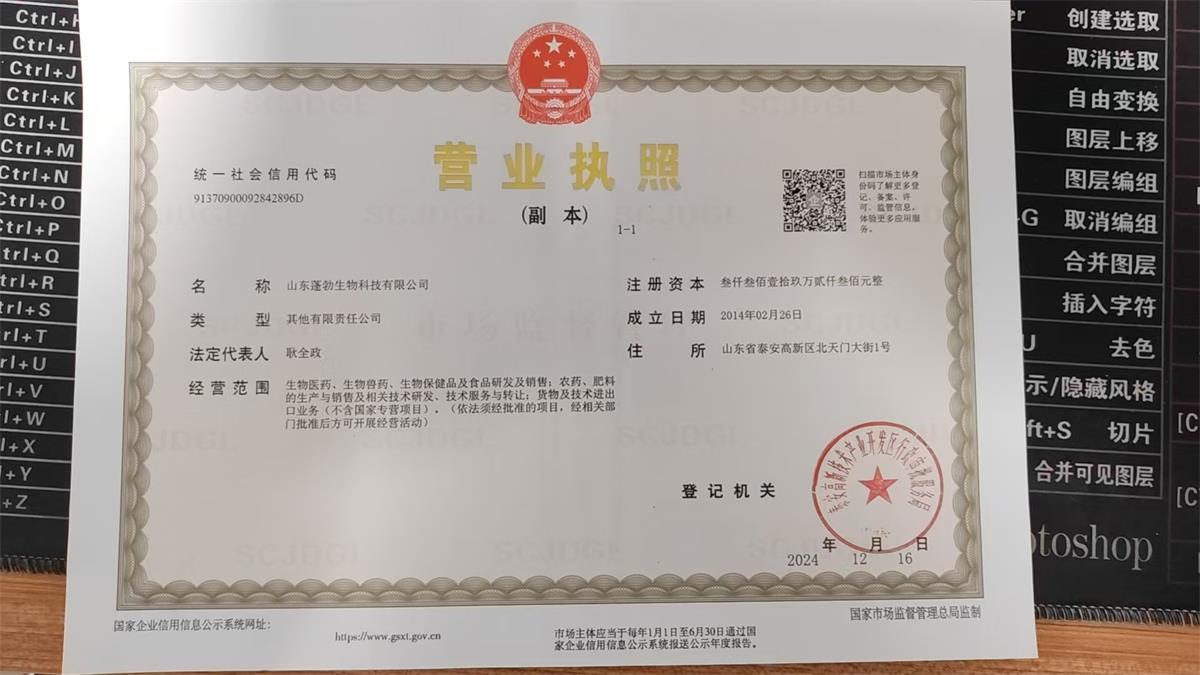
Copyright 2025 : Shandong Pengbo Biotechnology Co., Ltd. Powered by:CEglobal SEO BUSINESS LICENSE